Transform Your Space With Our Expert Remodeling Company Services
Transforming a space can significantly boost both usable features and design beauty. Expert renovation companies offer a blend of quality craftsmanship and innovative design. These services simplify the remodeling process, ensuring minimal stress for homeowners. Comprehending the various aspects involved is crucial. What steps should one take to obtain a successful transformation? The answers might lead to unforeseen understandings and valuable considerations.
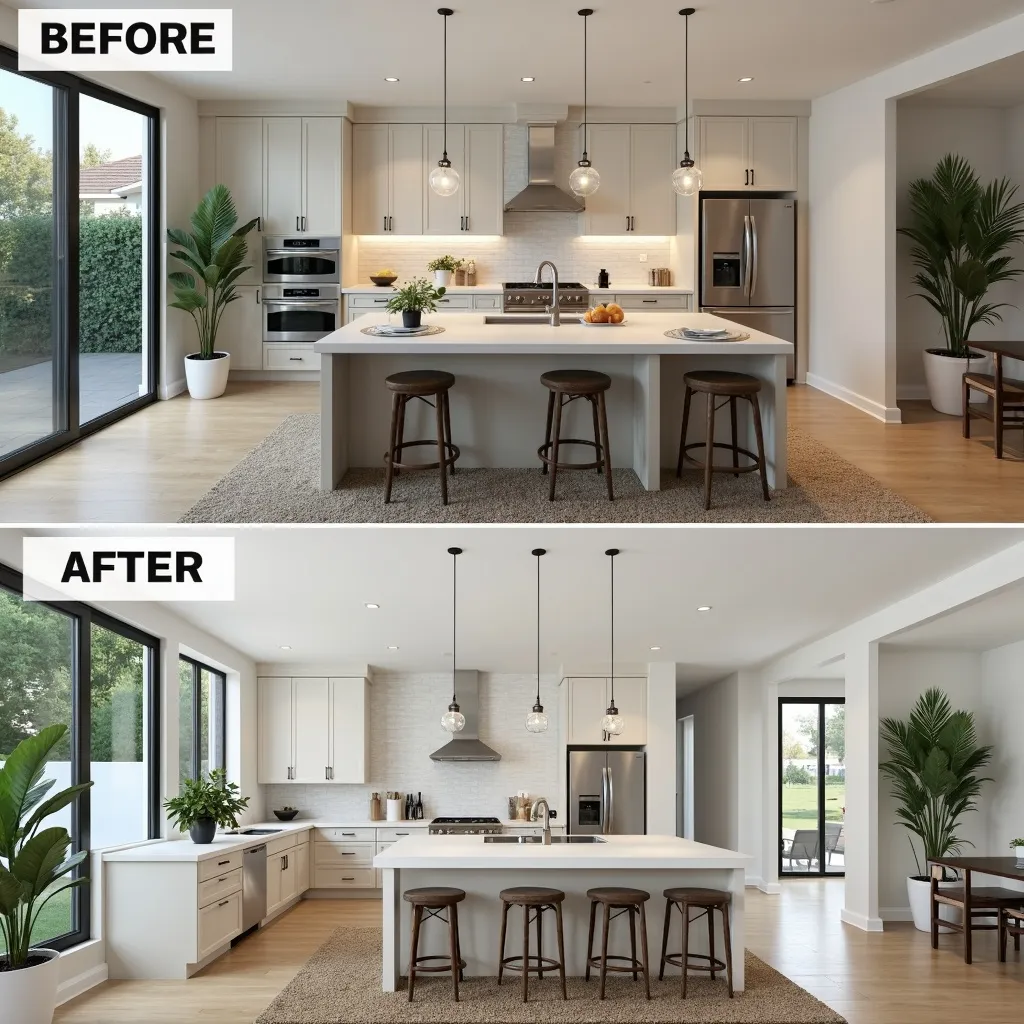
The Advantages of Skilled Home Remodeling Offerings
When homeowners decide to enhance their home spaces, they often discover that expert remodeling solutions provide significant benefits. Engaging seasoned experts in the industry guarantees excellent craftsmanship that meets industry standards. These experienced experts possess the necessary capabilities and background to manage complicated projects, diminishing the risks of costly errors that DIY efforts might cause.
Furthermore, expert contractors introduce innovative design ideas that can transform a space in ways homeowners may not foresee. They keep abreast on the newest styles and innovations, which can greatly improve aesthetics and functionality. Moreover, employing expert assistance often streamlines the process, as these specialists handle everything from planning and permits to execution and inspections.
Ultimately, engaging professional remodeling services not only improves the quality of the renovation but also relieves stress for homeowners, allowing them to enjoy the transformation of their living spaces without undue hassle.
Grasping the Home Improvement Process: What to Expect?
Understanding the remodeling process is important for residents contemplating a project. This journey typically commences with an initial consultation, followed by thorough design and organizational stages. Finally, the build schedule outlines the steps from onset to end, ensuring understanding across the project.
Preliminary Consultation Procedures
How can someone traverse the often complex world of remodeling? The first meeting serves as a essential first step in this journey. During this session, clients meet with experts to talk about their goals, financial plan, and schedule. The remodeling company typically conducts a comprehensive assessment of the existing space, taking note of structural elements and any possible challenges. This is also an opportunity for clients to inquire and clarify any uncertainties about the procedure. The experts provide insights based on experience, assisting clients prioritize their requirements and desires. Ultimately, this meeting establishes the groundwork for a successful remodeling project, guaranteeing both parties are aligned before moving forward into the subsequent phases of design and planning.
Design and Planning Phase
The planning and design process converts initial ideas into definite plans. During this fundamental stage, clients collaborate with designers to define their vision, selections, and functional requirements. Main aspects include opting for materials, shades, and designs that align with the overall aesthetic and intent of the space. Designers utilize sophisticated technology to create thorough visualizations, allowing clients to visualize the project before construction begins. Budgetary concerns also hold an crucial position, as designers help prioritize features and substances to remain within spending limits. Throughout this process, open communication ensures that all involved parties are on the same page, minimizing misunderstandings. Ultimately, this careful strategizing establishes the foundation for a accomplished remodeling project, paving the way for an resourceful and organized construction process.
Construction and Finishing Timeline
What could one anticipate during the construction and completion timeline of a remodeling project? To begin, the process starts with site preparation, incorporating demolition and clearing. This phase can vary in duration depending on the scope of work. Following this, the building phase commences, incorporating framing, plumbing, and electrical work. This phase often takes the most duration, as it demands precision and adherence to safety standards. Once the foundational components are in place, final details such as drywall installation, flooring, and painting are completed. Ultimately, a thorough inspection ensures all work meets regulatory standards and the homeowner's expectations. In summary, a remodeling project typically spans several weeks to months, depending on complexity, enabling homeowners to visualize their transformed space step by step.
A Resource to Selecting the Top Remodeling Company
Identifying the suitable remodeling company can substantially impact the success of a residential remodeling project. Homeowners should initiate by researching prospective companies, stressing on their expertise, core competencies, and past projects. Online reviews and comments can provide valuable insights into the company's reputation. It's crucial to verify qualifications, encompassing permits and insurance, to guarantee conformity with local regulations.
Next, property owners should obtain several estimates to compare prices and services, encouraging transparency in what is included. Dialogue is another critical factor; a company that listens to its clients and responds promptly builds a positive working relationship.
In the end, examining the firm's portfolio can highlight their design style and workmanship standards. By carefully weighing these considerations, homeowners can make a well-informed decision, ultimately delivering a effective home upgrade that corresponds to their vision and budget.
Top High-Return Remodeling Undertakings for Your Home
Homeowners frequently pursue worthwhile renovation endeavors to improve both functionality and aesthetics. One of the most popular upgrades is the kitchen renovation, which can boost home value and create a more welcoming environment for family get-togethers. Renovating bathrooms is another significant undertaking; contemporary features and streamlined designs can significantly enhance comfort and appearance.
Additionally, constructing or upgrading exterior areas, including decks or patios, expands livable space and promotes outdoor enjoyment. Completed basement areas also serve as flexible areas, providing options for leisure activities, residential workspaces, or guest accommodations.
Energy-efficient upgrades, including new windows and insulation, not only enhance comfort but also decrease utility costs, making them a wise investment. Finally, open floor plans have become increasingly popular, fostering a sense of space and connectivity. Each of these projects can substantially transform a home, offering homeowners both immediate enjoyment and long-term value.
Your Home Renovation Transformation Budgeting Strategy
Budgeting for a home remodeling transformation requires deliberate planning and well-defined spending objectives. Dwellers should begin by evaluating their overall budget, keeping in mind their financial situation and desired outcomes. It is essential to differentiate between necessities and desires, ranking projects that amplify usability and investment return.
After that, getting detailed quotes from contractors can provide realistic estimates for labor and materials. Including a contingency fund—on average 10-20% of the total budget—can help account for unexpected expenses that may develop during the renovation undertaking.
Additionally, homeowners should evaluate funding solutions, such as home equity loans or personal loans, to ensure that they can manage costs effectively. By establishing a well-defined budget and tracking expenditures throughout the project, homeowners can accomplish a successful transformation without financial strain. In the end, careful budgeting establishes the groundwork for a satisfying remodeling experience.
Popular Shifts in Home Remodeling Design
Emerging developments in home design renovation prioritize green initiatives, indicating a growing awareness of environmental effects. Open concept living stays on trend, advancing a sense of spaciousness and interaction across areas. Additionally, connected home solutions is transforming how dwellers operate with their living environments, enhancing user experience and optimization.
Sustainable Design Practices that promote environmental responsibility
Homeowners are increasingly embracing sustainable design practices in their remodeling projects, reflecting a wider trend towards eco-consciousness. These practices emphasize green materials, energy-efficient systems, and water conservation techniques. Homeowners are increasingly opting for recycled or locally sourced materials, lowering their carbon footprint while elevating appearance. Incorporating energy-efficient appliances and solar panels not only lowers utility bills but also aids a sustainable lifestyle. Additionally, natural lighting solutions, such as skylights and larger windows, are becoming more common, encouraging both energy efficiency and well-being. This transition towards sustainability not only helps the environment but also enhances property value, making homes more attractive to future buyers. Ultimately, sustainable design practices symbolize a innovative approach to up-to-date remodeling.
Open Concept Living
Open concept living has become a dominant movement in home remodeling, attracting to homeowners wanting spacious, multifunctional layouts. This design method eliminates barriers between key areas, such as the kitchen, dining, and living spaces, creating a sense of unity and flow. By removing walls, homeowners can create spaces that encourage social interaction and make the most of natural light. This trend also allows for greater flexibility in furniture arrangement, accommodating various activities and gatherings. With an emphasis on practicality, open concept layouts can improve the overall aesthetic of a home, making it feel relevant article more expansive and inviting. Consequently, this design remains a popular choice for modern homeowners looking to maximize their living spaces.
Smart Home Setup
Leveraging technology, homeowners increasingly emphasize smart home incorporation in their remodeling projects. This movement reflects a growing desire for ease, energy efficiency, and improved safety. Smart home solutions, such as automated lighting, thermostats, and security solutions, can seamlessly integrate into modern aesthetics, offering customizable control through smartphones or voice directions.
Homeowners are actively adopting smart appliances that strengthen daily living, from refrigerators that observe groceries to ovens that can be managed remotely. This blending not only enhances functionality but also increases property value. As remodeling companies adapt to these advancements, they supply made-to-order solutions that meet individual needs, creating spaces that are both stylish and technologically advanced. Smart home integration is no longer a premium offering; it is now a typical expectation in contemporary remodeling.
Ensuring Excellence and Satisfaction in Your Remodel
Quality and satisfaction are vital in any remodeling project, as homeowners seek not only useful upgrades but also artistic improvements. An effective remodeling company prioritizes expertise, deploying skilled professionals who understand the latest design trends and materials. By instituting rigorous quality control measures, they guarantee that every aspect of the project meets stringent standards.
Communication operates as a key aspect in realizing client satisfaction. Ongoing updates and transparency about schedules and budgets generate trust and give homeowners to convey their preferences. Feedback mechanisms, like questionnaires and subsequent consultations, allow the company to address any problems rapidly.
Additionally, a commitment to employing durable materials contributes to sustained results, enhancing the overall benefit of the home. Ultimately, a successful remodeling undertaking depends on a blend of quality workmanship, clear communication, and a priority on the client's vision, resulting in spaces that satisfy homeowners for years to come.
Often Questioned Topics
How Much Time Does My Renovation Job Need to Complete?
The timeframe of a remodeling project fluctuates according to its scale, complexity, and selected materials. Typically, property owners should expect timelines ranging from a few weeks to several months, depending on the specific requirements of the renovation.
Is It Possible to Remain in My Home During the Remodel?
Yes, property owners can often occupy their homes during a renovation, though it may be inconvenient. Certain areas may be restricted, and noise, dust, or disruptions can occur, affecting daily comfort and routines.
Are Warranties Available for Your Renovation Projects?
Yes, the company does offer guarantees on their remodeling services. These warranties guarantee that customers get quality workmanship and materials, delivering peace of mind and safeguard against possible problems arising after the project's completion.
What Licenses Are Needed for My Remodeling Project?
Permits required for remodeling projects vary depending on location and scope. Generally, construction permits, electrical permits, and plumbing permits may be required. Reviewing local regulations ensures compliance and prevents potential fines or project delays.
How Do You handle Unexpected Issues During Remodeling?
Unforeseen challenges throughout remodeling are handled through proactive communication and issue resolution. The team evaluates the circumstances, reviews options with the homeowner, and executes fixes quickly to minimize delays and ensure ongoing progress.